Therapy for anxiety, for the mind that never switches off.
You replay conversations. You anticipate problems nobody else has thought of yet. You lie awake running tomorrow before it happens. Anxiety therapy here works with the nervous system underneath the racing thoughts, so your brain finally gets the signal that it can stop.
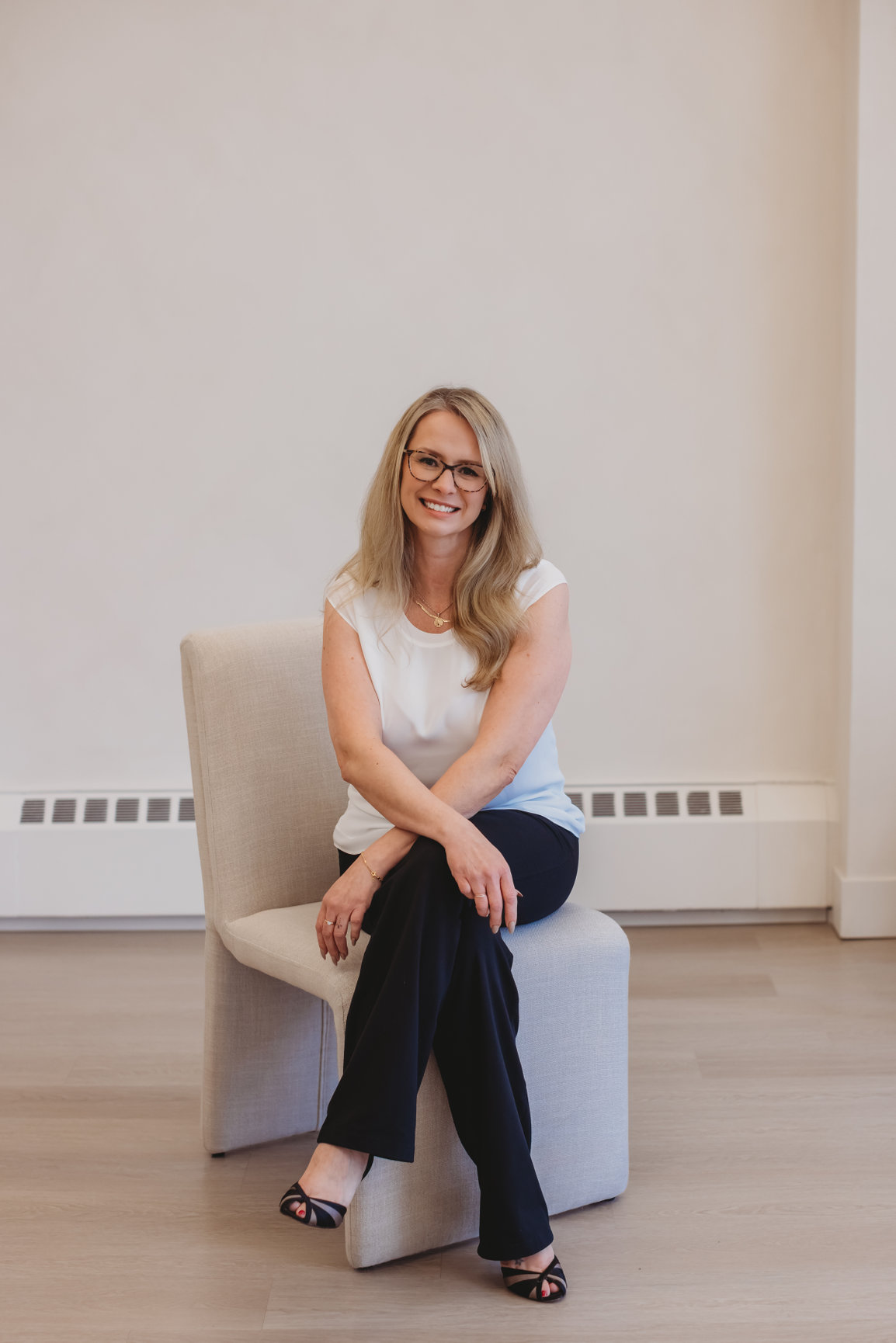
Anxiety doesn't always look anxious. Sometimes it looks extremely capable.
From the outside, you're the organized one. The one who remembers everything, catches problems early, keeps it all running. Nobody sees the commentary underneath, or how much it costs to look this calm.
How many of these feel familiar?
If you found yourself nodding, that's not a character flaw. It's a nervous system that's been asked to carry too much for too long. This is exactly the work we do together.
Book a free 15-minute consultationThis isn't about weakness or failure. Often, it's a sign that your system has been under stress for too long without enough support.

The problem isn't that you think too much.
The mind that runs your household, your job, and everyone's emotional weather is genuinely skilled. Psychologists call the skill metacognition: the ability to think about your own thinking. It's how you anticipate what your family needs before anyone asks, and how you pull the lesson out of a hard conversation. Most of the time, it's a gift.
But a mind that can observe its own thinking can also monitor it around the clock. Second-guessing decisions that were already fine. Rehearsing conversations that haven't happened yet. Auditing yesterday for mistakes nobody else noticed. Replaying becomes ruminating. Anticipating becomes bracing. The skill doesn't change; the volume does.
Underneath it, your nervous system is doing exactly what it learned to do: stay vigilant, stay ahead, keep everyone safe. No one has ever given it permission to stand down. That's why “just relax” has never once worked. You can't out-argue a body that doesn't feel safe stopping. The alarm has to be worked with directly, and that's what we do here.
The problem is not that your brain thinks too much. The problem is that it never gets a signal that it can stop.
Worth knowing: anxiety and burnout often travel together. When the always-on mind sits on top of exhaustion that rest doesn't repair, the burnout usually needs attention too. And if the dominant feeling is less racing and more flat, numb, and far away, depression therapy may be the closer fit. We'll find the right starting point together.
For the women carrying the invisible list.
This work is built for high-achieving women and moms living with the anxiety no one else sees: the mental load that never signals “done,” the guilt that rides along in both directions, the vigilance that passes for personality because it's been there so long.
You've probably read the books and tried the apps. If the root of it still hasn't moved, that's not a failure of effort. It's a sign the work needs to happen at a different level.
- High-functioning anxiety. Composed and capable on the outside; a commentary that never quite closes on the inside.
- The gap-filling brain. When facts are missing, your mind drafts the worst-case version and treats the draft as true.
- Irritability under the surface. The people you love get the short-fuse version of you, and you hate that they do.
- Sleep that won't come. The house goes quiet, and the mind that ran everyone's day starts running tomorrow's.
- Physical anxiety. Tight chest, clenched jaw, shallow breath: the body keeping score of everything the mind carries.
Anxiety therapy that works at the root, not the thought of the day.
This is not surface-level self-care or forcing yourself to “just think positive.” It's structured, evidence-based work with the patterns, and the nervous system, that keep the alarm switched on.
Settle the alarm
Somatic, body-based regulation skills come first, because an anxious body keeps an anxious mind supplied. Grounding, breathwork, and nervous-system tools that work in the moment, not just in theory.
Map the loop
Together we trace how your particular spiral runs: what sets it off, where it goes, and what it's trying (loyally, clumsily) to protect you from.
Retrain the response
Practical ACT and CBT tools for catching the spiral mid-turn and steering instead of fighting: usable on an ordinary Tuesday night, not just in a quiet room.
Work the root
Anxiety this persistent usually grew from somewhere: old patterns, old stress, sometimes old trauma. Trauma-informed work at that level is what makes the change hold.
What quieter can feel like.
No promised timeline, and no one-size outcome. These are the kinds of goals we set together, and many women find that simply naming a direction is the first relief.
- Catching a spiral mid-turn, and being able to step out of it
- Falling asleep without running tomorrow first
- Being in the room with your people, not just physically present
- A body that isn't braced from the moment you wake
- Making decisions once, instead of re-litigating them all week
- Knowing when your brain is working for you, and when it's working harder than the situation requires
In St. Catharines, or wherever you are in Ontario.
An anxious week doesn't need extra logistics, so getting help shouldn't add any.
In person · Niagara
Sessions take place at the practice at 49 Lake St in St. Catharines. If you're in St. Catharines, Niagara Falls, Welland, Grimsby, Fort Erie, or anywhere nearby in Niagara, you can do this work face to face.
Virtual · anywhere in Ontario
Secure video sessions ($100 per session) available to Ontario residents, wherever you are in the province. Many anxious women prefer virtual for exactly this reason: no commute, no waiting room, and the session happens from a spot where you already feel at ease.
Virtual sessions are available to Ontario residents only.
Straightforward fees, and a free first conversation.
- In-person session
- $150 / session
- Virtual session
- $100 / session
- Free 15-minute consultation
- $0
Sliding scale available. Cost shouldn't be the reason you keep carrying this alone. Sliding-scale spots are available for qualifying clients.
Book your free consultationA 24-hour cancellation policy applies to booked sessions.
Sarah changed my life and gave me hope and the support and skill set to follow through on and build a future with purpose, value and loving connections.
Krista · Client
Asked before booking, answered plainly.
What does therapy for anxiety actually involve?
We work on two levels. The first is practical: ACT and CBT tools for the racing thoughts, the catastrophizing, the 3 a.m. replays, tools you can use the same week you learn them. The second is deeper: somatic, body-based work with the nervous system that keeps the alarm switched on in the first place. Most women need both, because you can't out-argue a body that doesn't feel safe.
I function fine. Can it still be anxiety?
Yes, and this is the version most of the women here live with. High-functioning anxiety hides behind competence: you're organized, dependable, on top of everything, and privately exhausted from the effort of staying that way. Functioning well and struggling are not opposites. You don't have to wait until something visibly breaks to deserve support.
Do I need a diagnosis of an anxiety disorder first?
No. You don't need a referral, a diagnosis, or a letter from your doctor. If your mind won't slow down and it's costing you sleep, patience, or presence, that's reason enough to reach out. Whether or not it would ever meet a diagnostic threshold is beside the point; the work is the same.
Can anxiety therapy be done virtually?
Yes. Virtual sessions run over secure video and are available to Ontario residents, wherever you are in the province. A virtual session is $100, and for an anxious week it removes the extra logistics entirely: no commute, no waiting room, just a quiet spot and an internet connection.
How long until I notice a difference?
It varies, honestly. Many women notice the first shift within a few sessions, usually in how quickly they can catch a spiral and step out of it. The deeper work, retraining a nervous system that's been braced for years, takes longer. We review progress together as we go, so you always know what we're working on and why.
More on the always-on mind.
Why High-Achieving Moms Feel So Overwhelmed, and How to Calm Anxiety Naturally
Metacognition (thinking about your thinking) is the strength that makes you effective, and the reason your brain never gets the signal it can stop.
Read the article Somatic · Nervous systemSomatic Therapy: How Your Body Holds Stress
Stress and trauma don't just live in your thoughts. They're stored in the body. What body-based therapy is, and who it helps.
Read the article BurnoutBurnout Counselling
When the anxious mind sits on top of exhaustion that rest doesn't repair, the burnout underneath usually needs attention too.
Explore burnoutStart with a conversation, not a commitment.
No pressure, no obligation: a quiet 15 minutes to see if this feels like the right fit. Reach out, and let's make it happen.
Therapy is not crisis care. If you or someone you love is in immediate danger, call 9-1-1 or go to your nearest emergency department. For 24/7 mental-health crisis support anywhere in Canada, call or text 9-8-8.